How NSFW AI Image Generators Are Changing Adult Anime Art
The intersection of artificial intelligence and adult anime art has created a space that feels both exciting and complicated. I have spent years watching this space evolve, from the early days of simple filter apps to the sophisticated NSFW AI Image Generator tools available now. What strikes me most is how quickly the technology has moved from experimental to genuinely useful for artists, hobbyists, and anyone who wants to create specific kinds of adult anime imagery without spending weeks learning to draw.
When I first started exploring AI image generation, the options were limited. You might get a blurry face or a body that did not quite connect right. Now, tools like Stable Diffusion and its fine-tuned models have changed everything. The community around Civitai and Tensor.Art has made it possible to share and discover models built specifically for adult anime content. These platforms host thousands of checkpoints, LoRAs, and embeddings that let you generate everything from a simple character portrait to a complex scene with multiple figures.
What Makes These Generators Different
The key difference between a general AI image tool and a dedicated NSFW AI Image Generator is the training data and the fine-tuning. Most mainstream generators have filters that block adult content. That is fine for many use cases, but it creates a gap for artists and fans of adult anime art. The generators built for this space, often based on open-source models like Stable Diffusion, are trained on datasets that include explicit material from sites like Danbooru and e621. This training gives them a much better understanding of anatomy, poses, and the specific visual language of adult anime.
One of the most popular models in this area is the one powering NovelAI, though it is worth noting that NovelAI itself has its own content policies. The model behind it, however, has been widely copied and adapted by the community. Similarly, tools like ComfyUI and Automatic1111 give you full control over the generation process. You can tweak the prompt, adjust the seed, and even chain multiple models together to get exactly the result you want. This level of control is something you do not get with simpler web-based generators.
Character Design and Customization
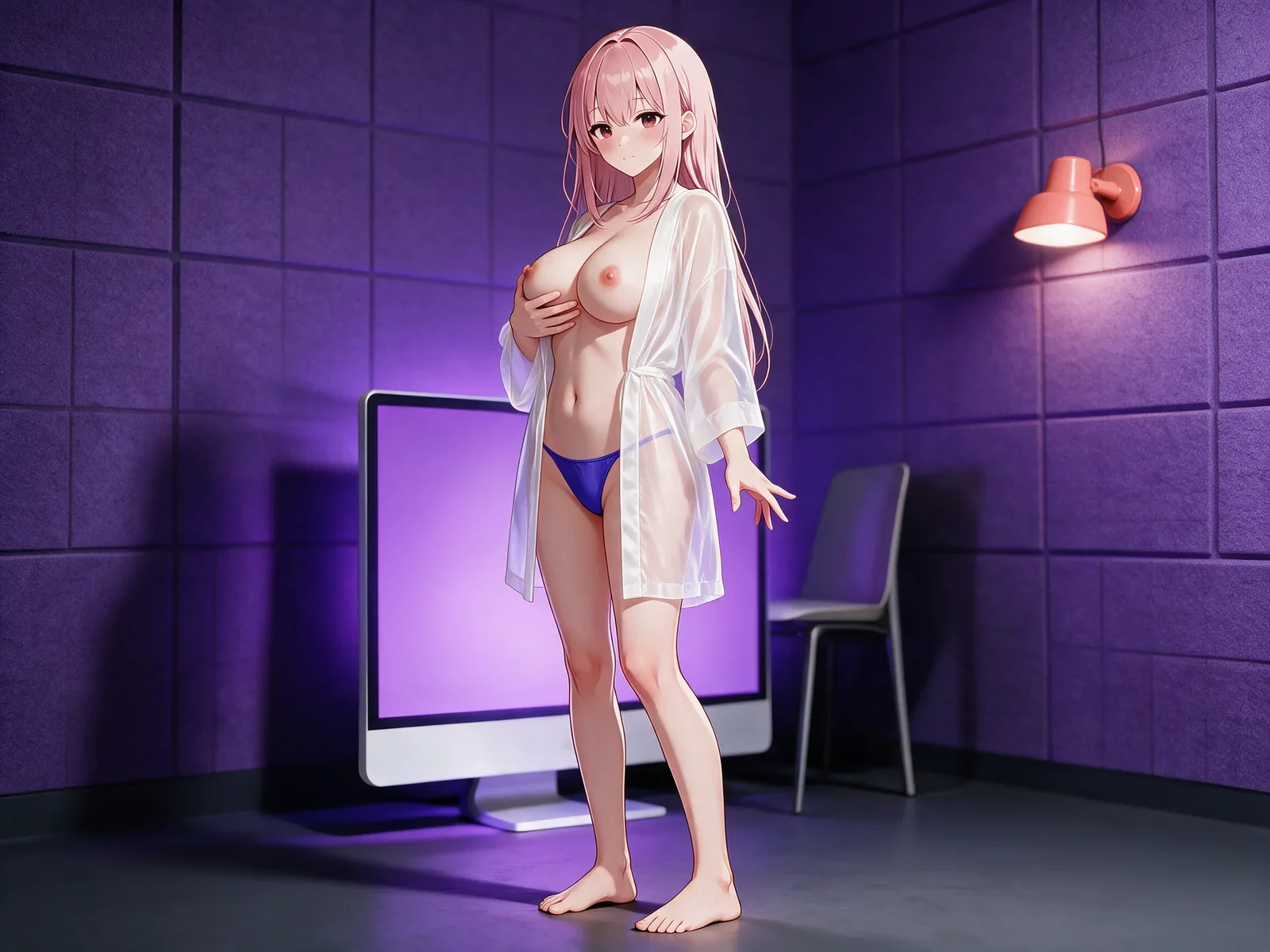
Creating a character from scratch used to require either artistic skill or hours of searching through reference images. Now, with a good NSFW AI Image Generator, you can describe a character in natural language and get a consistent result. If you want a specific hairstyle, eye color, outfit, or body type, you just type it. The best part is that you can iterate quickly. I have spent entire afternoons generating variations of the same character, changing only the lighting or the background, until I found the perfect combination.
Tools like Waifu Labs and Crypko were early experiments in this direction, offering simple character creation interfaces. They were fun, but limited. The real power came when the community figured out how to merge these ideas with the flexibility of Stable Diffusion. Now, you can use a tool like Artbreeder to blend different visual styles, or use Anime Style Transfer techniques to apply the aesthetic of a specific artist to your generated image. The results can be stunning, and they often look like they were drawn by a human hand.
Community and Sharing
No discussion of this space is complete without mentioning the community. Platforms like Pixiv have long been the home of fan art and original anime illustrations. Now, they are also hosting AI-generated work. The line between human-made and AI-made art is blurring, and that has created some tension. But the community has also developed its own norms. On Civitai, for example, creators share their models and prompt configurations openly, allowing others to build on their work. This collaborative spirit is rare in the art world, and it is one of the reasons the technology has improved so fast.
There is also a growing intersection between AI-generated characters and virtual worlds. In VRChat, users can create custom avatars using Blender and other 3D tools, but AI image generators are starting to play a role in concept art and texture generation. Similarly, fans of Hololive and other VTuber groups use these tools to create fan art or original characters that fit the same aesthetic. The demand for high-quality, customizable anime-style characters is huge, and the NSFW AI Image Generator is meeting it.
Ethical Considerations and Trade-offs
I would be lying if I said there were no downsides. The biggest concern is consent. Many of these models were trained on images scraped from the web without the artists' permission. Sites like Danbooru and e621 host a lot of work by living artists, and using that work to train commercial models raises serious ethical questions. Some artists have spoken out against it, and I think their concerns are valid. If you are using these tools, it is worth thinking about where your model's training data came from.
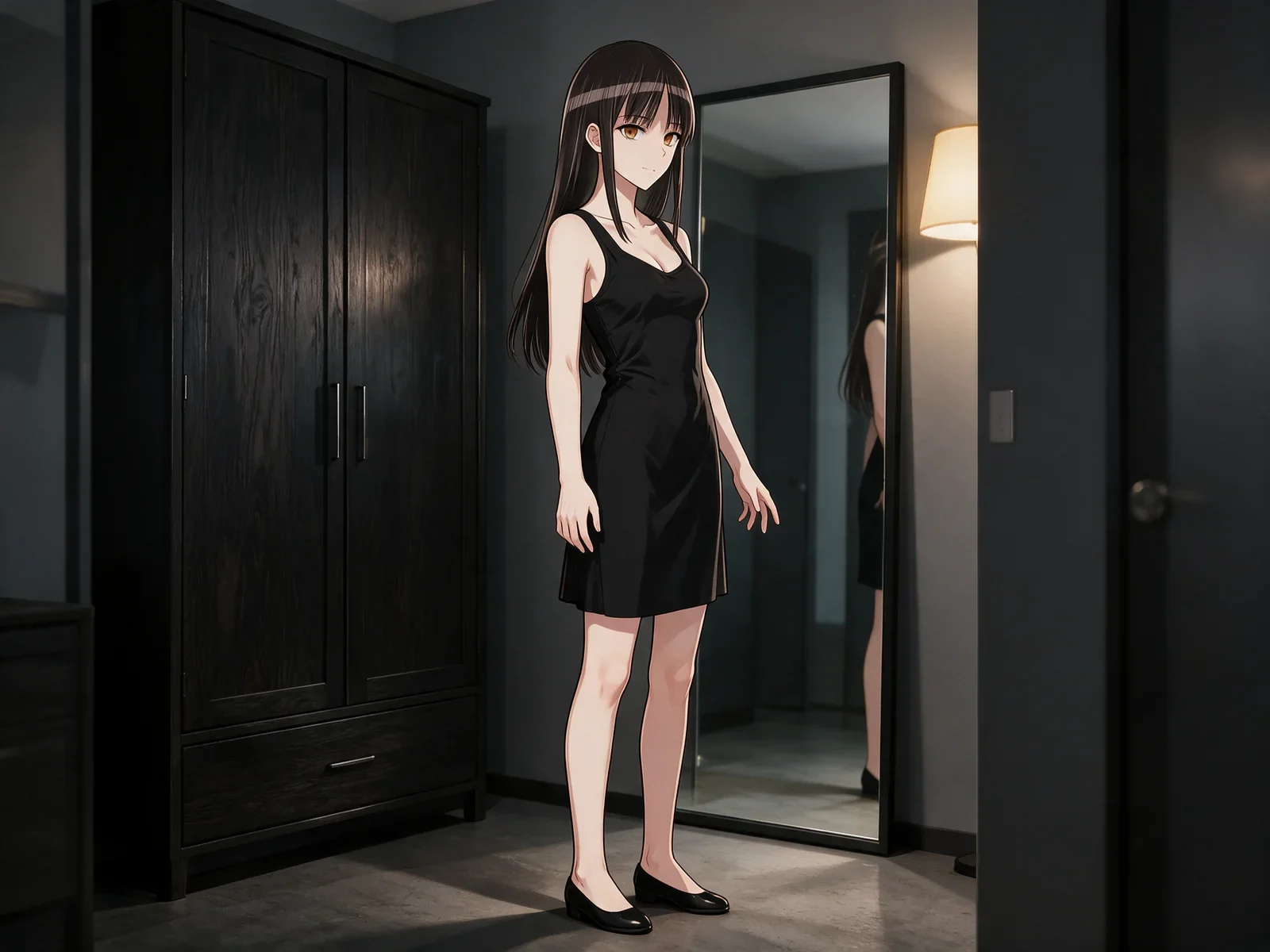
Another issue is the potential for misuse. The same technology that lets you create a beautiful character portrait can also be used to generate non-consensual or harmful content. The community around these tools has tried to self-regulate, but it is not always effective. Platforms like Character.AI have strict content policies, but the open-source nature of Stable Diffusion means that anyone can run a model locally without oversight. That is both a strength and a weakness.
Practical Tips for Getting Good Results
If you are new to this, I recommend starting with an easy-to-use interface before diving into the command line. Niji Journey, for example, is a model fine-tuned for anime and is available through Midjourney's subscription. It is not specifically designed for adult content, but it can handle suggestive imagery. For more explicit work, you will want to use a model from Civitai or Tensor.Art. Look for models that have been trained on high-quality anime datasets. Some of the best ones are based on Stable Diffusion 1.5 or SDXL.
When writing prompts, be specific. Instead of "a woman", try "a tall woman with long silver hair, wearing a black leather jacket, standing in a rainy alley, dramatic lighting, anime style". The more detail you give, the better the output. You can also use negative prompts to avoid common issues like distorted hands or extra fingers. Tools like Automatic1111 let you save your favorite prompts as templates, which is a huge time saver.
If you want to create consistent characters across multiple images, look into using embeddings or LoRAs. These are small model files that encode a specific character's features. You can train your own if you have enough reference images, or you can download existing ones from the community. This is how people create entire comic strips or character sheets using an NSFW AI Image Generator. It takes some trial and error, but the results can be remarkably consistent.
The Future of the Genre
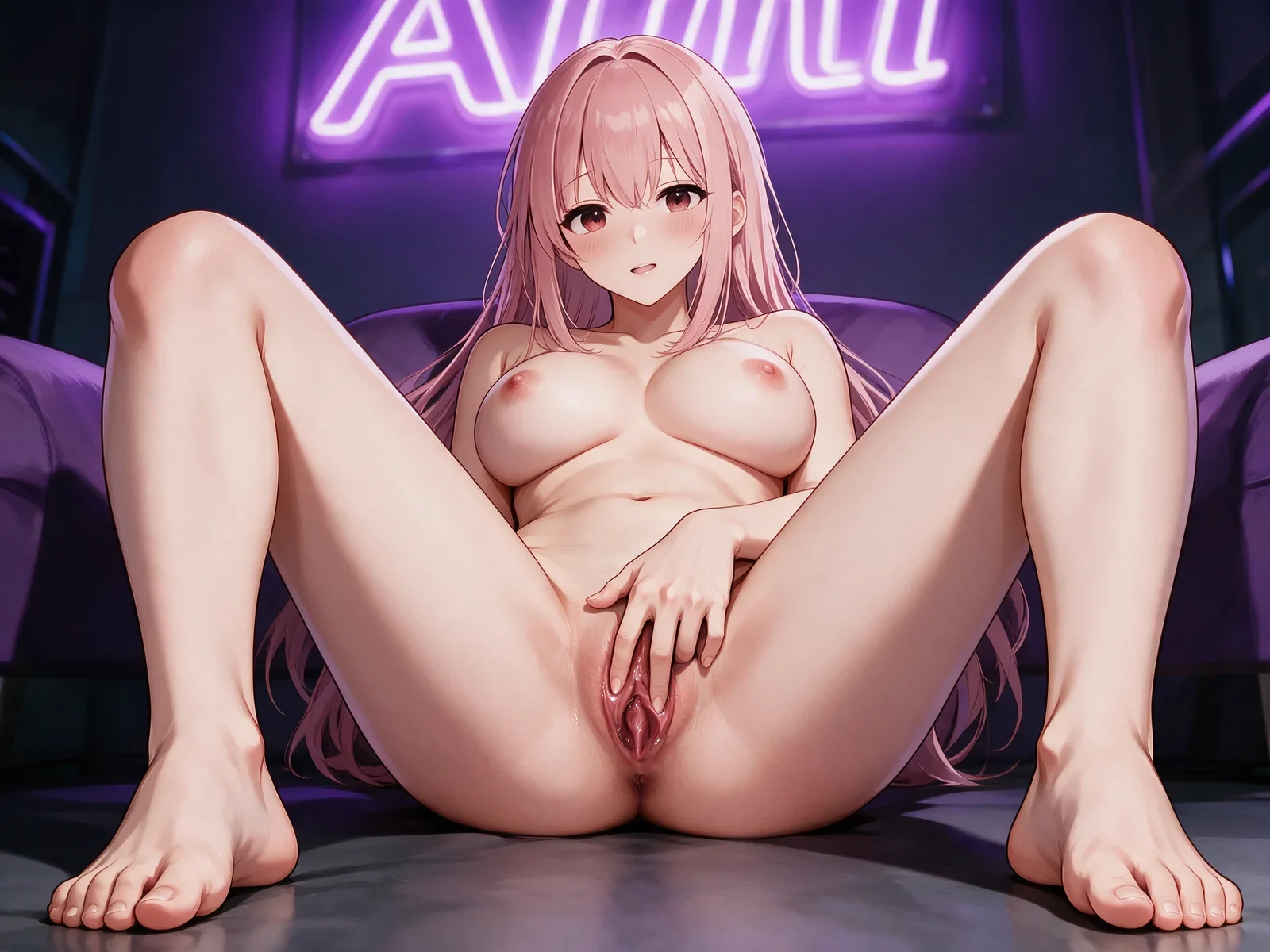
I think we are still in the early days. The models are getting better every month. New techniques like video generation are starting to appear, and it will not be long before we can generate full adult anime animations with the same ease as still images. That will open up even more possibilities for storytelling and character interaction. The line between a tool like Blender and an AI generator will continue to blur, and we might see hybrid workflows where artists use AI for concept art and then refine it by hand.
For now, the best advice I can give is to experiment. Try different models, different prompts, and different tools. See what works for your style. The community is full of people who are happy to share their knowledge. And remember that the technology is a tool, not a replacement for creativity. The most impressive AI-generated art I have seen still required a human to direct it, to choose the right parameters, and to know when to stop.